Fencing Installers Talk About Anti-Climb and Security Functions
Security secure fencing gains its keep the most awful day a site will encounter. As Fence Installers, we determine success by the efforts that fail quietly, not by exactly how a fencing searches in brochures. The very best systems slow, hinder, and reveal threats, then maintain working through climate, wear, and human imagination. That takes greater than height and hefty steel. It takes judgment at the border line where products fulfill ground, where panels satisfy messages, and where intent fulfills reality.
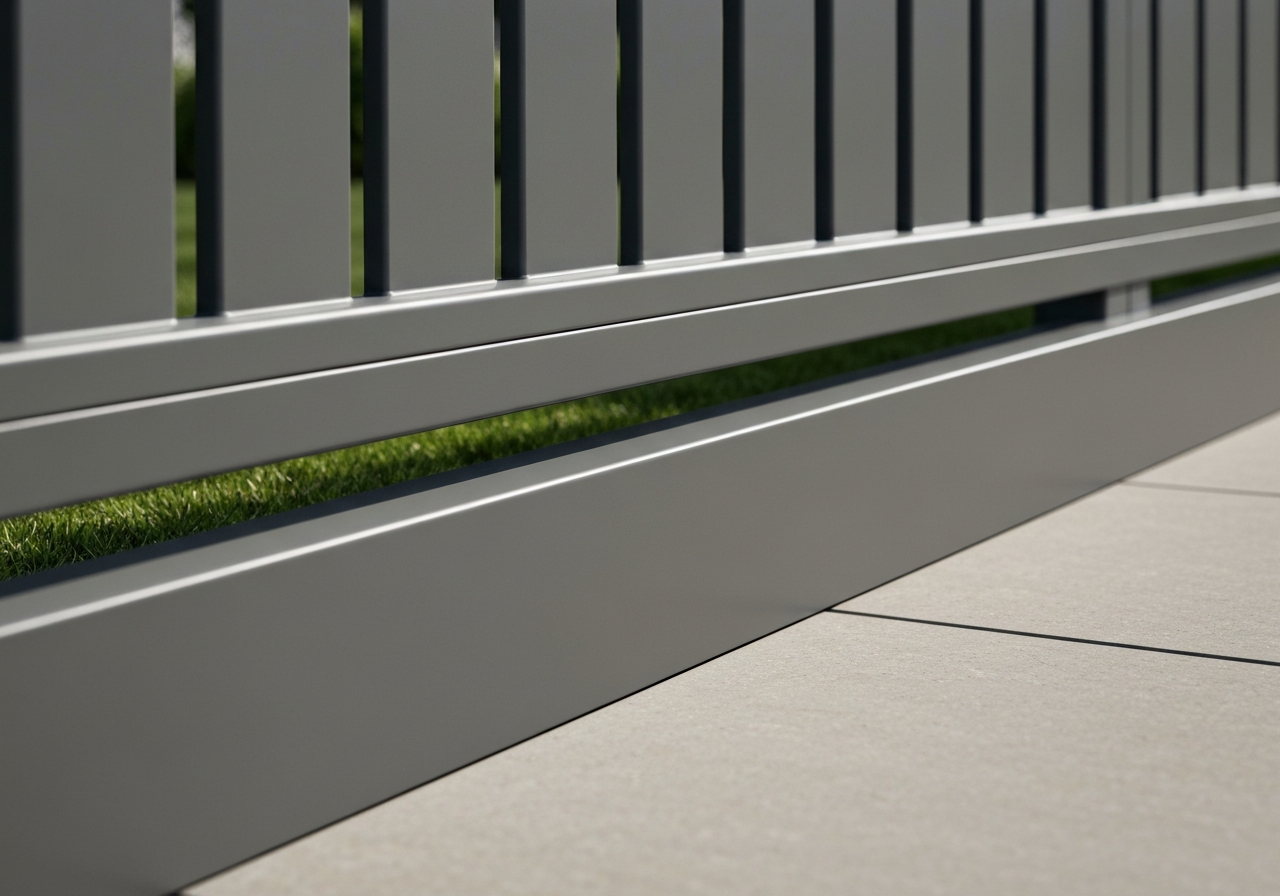
Below is exactly how knowledgeable Fencing Contractors think through anti-climb and security attributes, the compromises that matter, and the little details that make or break a perimeter.
What a protection fence is truly doing
A fence does 3 jobs at once. It prevents by looking difficult to beat, hold-ups by forcing https://s3.us-east-005.backblazeb2.com/sawdustsite/timber-fencing/ingenious-designs-in-modern-lumber-paling-fencing.html time and devices, and discovers by pairing with presence or sensors. Favor only one and you welcome failing. A tall however weak obstacle can be reduced in mins. A solid wall obstructs eyes and cams. A sensor-rich fence that is simple to straddle comes to be a tripwire without teeth.
Every layout discussion begins with the danger account. We ask who you are attempting to keep out, what they want, and how much time they have. A school and a logistics backyard encounter different threats. A substation, different once more. Definitions like anti-climb, anti-cut, and anti-ram become real when they are matched to particular adversaries with bolt cutters, cordless grinders, crowbar, or trucks.
Height, profile, and the reality concerning deterrence
Height still matters. For many industrial websites, 8 feet to 10 feet is a baseline. Press to 12 feet, and climbing without a device gets uncomfortable and unsafe. That additional 2 feet often damages the will of casual trespassers, yet height alone is not victory. The panel profile decides whether fingers and toes can locate purchase.
Small apertures refute grip. Tight verticals reject utilize. Smooth leading rails rob climbers of a finish line. Rounded or beveled tops, specifically at 10 feet plus, decrease the odds that somebody will pull themselves over and go down securely. We have replaced a lot of 8 foot chain-link fences that had easy diamond footings with 10 foot steel mesh that used none, and overnight the graffiti and evening access fell off a cliff.
A note on sightlines. Prevention is visual as much as physical. If a fencing lets people see they are visible, cameras, guards, and next-door neighbors join the protection group. Personal privacy slats have their place, yet they can likewise conceal tampering. Make that option with eyes open.
Materials that gain their keep
Several systems are worthy of the anti-climb tag, each with its strengths.
Welded cable mesh. The workhorse for modern perimeters. Panels with 3 inch by 0.5 inch apertures, 8 to 10 scale cords, and tight crosswelds are tough to climb and slow down to cut. The slim straight space refutes toe holds. The level airplane denies grappling hooks and keeps the surface area slick in rainfall. We specify mesh with a minimum of 70 percent weld honesty screening from the mill and favor panels that can be field-cut without unraveling.
Expanded steel. Squashed or elevated increased steel at 3/4 inch No. 9 or tighter brings major anti-cut and anti-climb efficiency. The ruby pattern is aggressive to fingers and tools. Weight expands fast as the aperture diminishes, so mounting should be engineered. Expanded steel shines around essential possessions, generator yards, and high-value doors where a person will happily make sounds to compel entry.
Palisade and upright bar. In the right setup, upright pales with sharp, round, or splayed tops stand high and horrible. The void between fades should be tight adequate to block grips and tiny devices. We see palisade defined commonly in the UK and websites that favor an official look. It requires clean setup, since misaligned fades produce ladders.
Chain-link, just when updated. Standard chain-link is very easy to climb up. The diamond is a ladder, plain and straightforward. If you need chain-link for cost or transparency, upgrade to mini-mesh or 3/8 inch diamond, utilize a bottom rail or stress wire that actually attacks, and pair it with outriggers or revolving toppings. Heavy gauge, knuckled and barbed selvage on top, and effectively stretched material will certainly matter. Skimp on any one of those, and you are paying for a sense of security, not the real thing.
Pipe and panel ornamental systems. Building fencings, the kind a Fence Builder couple with a streetscape, can be aggressive to climbing up if pickets are tight adequate and rails are protected or inner. We define concealed bolts and press-locked pickets for sites that need both look and function.
Coatings and corrosion are safety concerns too
A corroded fence is not just hideous. It is weaker, noisier to repair, and frequently simpler to reduce. For seaside and deicing salt environments, we use hot-dip galvanized messages and panels at 3.0 mils or much better of zinc, after that polyester powder coat on top for UV and abrasion. In hefty industrial atmospheres, consider zinc-aluminum-magnesium coatings. Stainless hardware where you can, particularly on joints and tamper-resistant screws. Galvanized after weld is liked for meshes and produced settings up. If you cut in the area, secure the sides with zinc-rich paint. Maintenance starts on day one, not at year five.
The power of great bolts and fixings
Attackers choose at the smallest weakness. Give them a slotted head screw, and it walks away. Usage outside nuts, and the wrench chooses the end result. We utilize shear nuts, pin-in torx, and one-way clutch directly exposed fasteners. For high-risk websites, captive systems with internal clips and pressed fits keep panels limited without evident hardware.
Backer rails matter. Attach mesh to the strike side with tamper-resistant carriage screws and inner clamps, not revealed U-bolts. Maintain the fencing skin on the protected side of the blog posts when feasible. That alone can double the labor required to breach.
At quality, tie your fabric or mesh to an inflexible bottom rail or constant stress cable set low, after that hide or pin it. We aim for no daytime under panels. If we can see a broom with the bottom, a crowbar can see an opportunity.
Footings, slopes, and the ground interface
Most breaches occur at the base. The ground informs us what to do. In tidy, compacted dirts, 10 to 18 inches size concrete piers at 36 to 60 inches deep are common for 8 to 12 foot fences, but wind exposure and dirt class established the actual numbers. In frost zones, footings go listed below the frost line, and we bell or key them to withstand heave. On rock, we pierce and epoxy anchor messages to core openings, then cement. In utilities passages where excavating is restricted, screw piles supply superb pull-out resistance with marginal dirt disturbance.
For unequal qualities, racking a welded mesh panel has restrictions. Too much slope and you produce wedge spaces under the panel. We step the fencing instead, after that fill up under actions with poured grade beam of lights or galvanized skirting. The objective is simple. No crawl areas. No pry points.
Where wild animals or floodwater need to pass, we produce disallowed wildlife home windows or hinged flood panels that secure shut under regular conditions, then launch under supervision. A safety and security fencing that forces staff to cut it during storms will certainly not last a season.
Toppings that work, and when to utilize them
Barbed cable outriggers at 45 levels, 3 to 6 strands, still earn their maintain in yards and country perimeters. Concertina razor can add genuine hold-up, yet it includes optics, lawful restraints, and upkeep truths. We mount it where policy enables, and only where the risk justifies the injury possibility. Rotating spiked toppers work versus climbers and look much less extreme than razor. Anti-climb paint fits on wall surfaces and pipeline goes after, out key perimeters where it will make a mess and invite liability.
Here is the quiet fact. The right leading therapy is as much regarding plan and public user interface as it has to do with auto mechanics. Healthcare facilities and institutions seldom desire hostile garnishes visible from the road. Information facilities and utility backyards typically do. As a Fencing Contractor, we record the reasoning and the local code citations before we set any outriggers.
Gates, the honest weak link
Every violation we have examined started or finished at an entrance. Entrance frames flex. Latches are predictable. Ground clearance becomes pry clearance. To shut that gap, build gateways as solid as the fence and pivot them like a door you intend to fight.
We specify rectangle-shaped tube frameworks with angled bracing and totally bonded corners. For drivers, use favorable locking, not simply lock keepers. Chain and lock ought to be the back-up, not the primary safety and security. Protect padlocks in bonded shadows. Joints get through-bolted or bonded with anti-lift pins, and we established the lower rest on a pedestal or sleeve that stands up to spying. Clear swing courses of grade bulges that tempt teams to increase eviction leaf, which creates the fatal gap.
Electric operators do not equivalent security drivers. For high-risk sites, make use of locking actuators with monitored calls tied into accessibility control. Entrance voids should be limited to ASTM F2200 guides. If a hand fits via, screw cutters might as well.
Visibility, lights, and CPTED in practice
CPTED, the style technique that uses the developed environment to minimize criminal offense, matters at a fencing line. A translucent barrier with good lights produces all-natural security. We often increase lights somewhat back from the fencing and intend them to stay clear of glow on electronic cameras. We avoid privacy screens on the hot stretches of a perimeter and confine visual blocks to locations where procedures need it, like staff member car parking or domestic neighbors.
Some clients desire an attractive decorative fence along the road and a workhorse mesh behind it, 10 to 15 feet inside the residential or commercial property line. That split strategy works. The public face looks made up, and the actual fight occurs out of view.
Sensors and smart layers without the hype
Electronics transform a fencing into an alarm line, yet just if the fence is secure, limited, and not a bird hotel. We install microphonic cable on welded mesh where the panel rigidity creates tidy resonance signatures. Tensioned cable systems need exact calibration and routine checks. Video clip analytics on a removed, well-lit standoff zone catch mountain climbers quick. Magnetic get in touches with on gateways and strike tracking on locks tell you whether hardware is really safe and secure, not just closed.
Do not hang sensing units on a fence that relocates extremely in the wind. Start with framework. Tighten panels. Include wind braces at long runs. Only then add detection. Keep areas short, 100 to 200 feet, so a trip points staffs to a genuine area, not a suggestion.
Retrofit strategies that work on a weary fence
We fulfill websites with strong blog posts however tired fabric. Budget plan claims upgrade, not rebuild. We will certainly frequently sleeve messages with steel extenders to get one more 2 to 4 feet of elevation, then set up anti-climb mesh on the within making use of bracketed rails. Bottoms obtain pinned with continuous tension wire and ground plates to kill daytime voids. For chain-link runs that need to stay, we minimize the diamond with mini-mesh overlays and include 3 strand barbed wire on straight or V arms where policies allow.
Gates obtain the biggest retrofit interest. Add shrouds over padlocks, weld anti-lift tabs, replace sloppy hinges, and readjust locks to remove rattle. An entrance that seems solid announces itself as problem to anybody with bad ideas.
Case illustrations from the field
A big distribution center in the Midwest had a traditional 8 foot chain-link boundary with personal privacy slats. Burglary was steady, mostly swiping, with cut panels near the rail spur. We changed the warm side with 10 foot bonded mesh, 3 by 0.5 inch aperture, and relocated video cameras to cover a 15 foot clear standoff. We maintained chain-link along the road for sightlines and public convenience. Losses came by greater than 70 percent in three months, validated by stock and patrol logs. The trick was not magic, simply a fencing that made climbing up unpleasant and reducing loud, combined with cams that might see it.
A suburban secondary school required security without looking like a prison. We selected 8 foot decorative steel with limited pickets and inner rails along the frontage, then used 10 foot mesh around athletic fields where youngsters were jumping fencings for after-hours accessibility. Toppers were off the table. Rather, we elevated poles for lights and set gate control to self-close with postponed egress during events. Cases fell, and the primary stopped fielding complaints regarding an inhospitable campus.
An electrical substation upgrade in a coastal zone demanded both anti-cut and corrosion resistance. We made use of hot-dip galvanized after weld increased metal at 3/4 inch No. 9, powder coated for UV. Messages were galvanized HSS on 48 inch piers with rebar cages due to wind loads. We added revolving toppers instead of razor to reduce responsibility. Microphonic sensing units took place only after we tensed much longer runs with mid-bays. Storm period came and went. No architectural damage, no hassle alarms.
A high-end house wanted privacy and tough protection where the driveway satisfied the general public roadway. We set a 7 foot privacy fencing inside a reduced stone wall surface for visual appeals, then concealed a 10 foot steel mesh internal fencing, 12 feet back, to produce a peaceful barrier. The driveway gate obtained a magnetic lock with monitored strike and hid decrease bolts. You might stand at the curb and never ever think just how hard that border is to defeat.
Costs and where the cash matters
Good safety fence is not affordable, however the cost centers are foreseeable. For North American tasks, material and labor usually land in these varieties, driven by height, finish, and dirt:
- Basic industrial chain-link with 3 hair barbed cord can run 30 to 45 bucks per direct foot at 8 feet tall.
- Upgraded welded mesh in anti-climb profiles typically ranges from 70 to 150 dollars per direct foot at 8 to 10 feet, depending upon brand name, cord scale, and coating.
- Expanded steel and high-security palisade commonly sit over 120 dollars per straight foot and can climb to 250 dollars in corrosive zones or complicated terrain.
- Gates include greatly. A 20 foot cantilever gateway with a trusted driver and safety bundle can conveniently strike 15,000 to 35,000 bucks installed, more with gain access to control and kept track of locks.
The most affordable area to invest more is on messages and grounds. Oversize them, and you buy decades of stability. Undersize them, and your panels will rattle, sensors will dud, and your maintenance crew will despise you.
Maintenance, because time is an opponent too
Security fences fall short when vegetation grows, fasteners loosen, and soil clears up. Develop a maintenance rhythm into operations. Walk the line weekly for risky sites, monthly for normal commercial perimeters. Search for daytime at the base, any type of new rub marks where tools might have functioned, loosened shear nuts, fresh paint scrapes, and corrosion blooms. Maintain a small cache of matching fasteners and touch-up coverings on website. Train personnel to report squeaks and rattles, the noises of a fencing turning loose.
Common mistakes that unwind a strong design
- Underestimating gates, after that spending beyond your means on fancy drivers while leaving weak frames and latches.
- Blocking all sightlines with slats, then wondering why cams miss the intruder.
- Setting panels with charitable ground clearance to relieve mowing, which hands prybars a gift.
- Using basic devices and equipment during set up, then stopping working to exchange in tamper-resistant fasteners.
- Treating electronics as a treatment, not a supplement to tight structure and excellent lighting.
Legalities, insurance, and the next-door neighbor factor
Any Fence Contractor worth their salt checks out local code prior to selecting mattress toppers and elevations. Numerous municipalities cap fence elevation or ban razor cord. Schools, healthcare facilities, and domestic zones deal with more stringent regulations. Job-related security rules can action in where workers connect with fences and gateways. In addition to codes, insurance policy providers have point of views. We document not only the mounted equipment, however also the reasons. When a case lands, a well-argued design brief, with requirements cited, helps.
Neighbors matter. A fencing that infuriates them comes to be a political target. On loud or aggressive-looking boundaries, we sometimes add a public-facing ornamental line with growings, after that established the practical fence inside. The neighbor sees appeal. The website obtains safety and security. Everybody wins.
Weather and website conditions shape the outcome
Wind tons drive blog post size and ground deepness. Snow tons pile versus fences and crush panels unless the mesh and rails deal with the lateral pressure. Coastal air eats fasteners. Desert sunlight cooks plastic caps and weak layers. We choose materials with neighborhood climate in mind. For tornado or typhoon belts, we include supporting at long straight runs, separate periods with pilasters, and pick mesh that hemorrhages wind while maintaining apertures aggressive to climbing.
Groundwater and water drainage issue more than many buyers understand. A fencing set in a swale without rock backfill becomes a dam. Water looks for a path and locates it under your fence, lugging soil with it. Months later you have a trench and a space that a teen can crawl via. We bed messages in well-draining product and add swales or culverts as required. A little civil work currently prevents a lot of safety and security job later.
How to work with a professional Fencing Contractor
Clear scope beats brand names. Tell us what you need the fencing to stop, just how much time you wish to compel, what you must see through it, and that will maintain it. We will certainly produce options with trade-offs in plain language. Expect mock-ups at tricky gateways, examination fits for sensors, and a few unwelcome facts. A great Fencing Installer does not assure a moat where spending plan just acquires a speed bump.
Qualifications issue. Ask about past sites with your risk profile, not simply the lovely community entrance they developed. Demand cut-sheets on fasteners, article dimensions, and coatings, not just panel version numbers. A Fence builder that sweats bolt options and bottom rail information is the one you want.
A brief pre-handover checklist that saves headaches
- Walk every entrance and attempt to lift, tear, and rattle it. Insist on changes until it seems like a bank vault.
- Sight the bottom line for daylight and procedure voids. Anything over 2 inches deserves a fix.
- Verify all revealed bolts are tamper-resistant and torqued. Change any standard heads.
- Test sensor zones and cam views at night with genuine individuals climbing or tugging.
- Document coatings, hardware types, and paint codes for quick future repairs.
What experienced installers look for at last walk
We pay attention to the fencing. A limited fencing is silent under hand stress. Pan a cam along the line while somebody walks it and bounce a flashlight off the mesh. Loosened spots turn up as shimmer. Inspect corner messages for plumb. If edges lean, the line will certainly droop within a season. Run a magnet along powder-coated areas. If it gets excessive residue after a light rub, the finishing is chalking early, and touch-up cycles will shorten.
We go back to see the large image. Exist piled pallets, dumpsters, or stones within 6 feet that create an unscripted ladder. Are irrigation heads saturating steel every evening. Are growings readied to ingest cams within a year. Safety lives in context, not just in steel and concrete.
Time and once more, the projects that mature well are the ones where the customer, the designer, and the Fence Contractors stayed straightforward regarding threats, made purposeful selections concerning sightlines and hold-up, and spent cash where physics compensates it. Anti-climb is not a sticker. It is a collection of choices that require a would-be trespasser to select another target. That is the silent win you desire from your fence line.